Here's a frequent conversation I have: A founder tells me about her brand idea. She's done her research. She's talked to a factory or two. And somewhere along the way, someone said, "So are you doing private label or cut and sew?" and she nodded like she knew what that meant.
Been there? You're in good company. Nobody explains this, and it's one of the biggest decisions you'll make for your line. It decides your budget, your timeline, how many units you have to buy, and how different your product can actually be from everyone else's.
I started my career in private label manufacturing selling into mass market retailers. I also have many years of experience launching cut and sew for some of your top favorite influencers and brands. So let's break it down the way I would on a call.
Quick Answer:
Private label means you start from a manufacturer's existing styles and put your brand on them, with some small customization. Cut and sew means you design your product from scratch and a factory builds it to your specs. Private label is faster and cheaper to start. Cut and sew costs more and takes longer, but gives you full control and a product that is less likely that someone else can sell.
What is private label clothing?
Private label means a manufacturer already has the product. They have the patterns, the fits and usually the fabrics. You pick the styles you want, customize what they allow, and sell them under your brand name.
Customization usually looks like this:
Your fabric color or print from their available options
Your labels, hang tags and packaging
Small trim changes, like buttons, zippers or drawcords
Sometimes small fit or length tweaks
The big advantage is that the hard work is already done. The patterns are graded, the fit has been tested, and the factory has made it before. That means fewer surprises, smaller minimums and a much faster path to having product in hand.
The tradeoff is that you're not the only one who can buy it. Another brand can order the same base style tomorrow. Your branding, your photography and your customer experience have to do the work of making it feel like yours.
One thing that confuses people:
In big retail, "private label" also means a store's own in-house brand. That's a different conversation. For a founder, private label almost always means building on a manufacturer's existing product.
What is cut and sew?
Cut and sew is exactly what it sounds like. Fabric gets cut from your patterns and sewn into your design. You own the design from the first sketch. That means you're responsible for every decision: the fit, the fabric, the construction, the trims, the grading across sizes. Your factory needs a tech pack to build it, and you'll go through sampling rounds before production to get it right.
The advantage is control. Your product is truly yours, and that's how brands build something customers can't find anywhere else. It's also where you have the most room to engineer your costs and your margin.
The tradeoff is time, money and risk. More steps means more places for things to go sideways, especially for a first time founder.
The middle path most founders don't know about
It isn't always one or the other. Many factories will take one of their existing styles and modify it for you: change the neckline, adjust the length, swap the fabric, add a detail. You get a product that's meaningfully yours without building it from zero.
For a lot of first collections, this is where I steer founders. You learn how production works on a lower risk product, and you save full cut and sew for the hero pieces that define your brand.
Private label vs cut and sew, side by side
| Private Label | Cut and Sew | |
|---|---|---|
| Cost Before Production | Low. Mostly samples of existing styles | Higher. Tech pack, patterns and several sample rounds per style |
| Minimum Order | Lower, often 50 to 300 units per style | Higher, often 300 to 1,000+ per style overseas; lower domestically at a higher unit cost |
| Time to Produce | Weeks, typically 4 to 10 | Months. A first run typically takes 6 to 12 from concept to delivery |
| Design Control | Limited to what the factory offers | Full |
| Uniqueness | Others can buy the same base | Yours alone |
| Margin Potential | Tighter, you pay for their development | Stronger once you're at volume |
| Risk for a First-Timer | Lower | Higher |
| Best For | Testing demand, basics, merch, fast launches | A signature product, a strong design point of view, long-term brand building |
These ranges move a lot by category, fabric and country, so treat them as a starting point, not a quote.
For the phase by phase timeline, see How Long Does It Take to Manufacture Clothing?
For costs, see How Much Does It Cost to Manufacture Clothing.
How to choose: three questions
What's your real budget for the first run? Not the dream number. The number you can spend and still sleep at night, with room for marketing after the product arrives. A tight budget points to private label or the middle path. Cut and sew eats cash before you've sold a single piece.
Is the product itself your reason for existing? Some brands win on community, content or a point of view, and the product can be a great basic. Others win because the product does something nobody else's does: a fit, a fabric, a detail. The second kind needs cut and sew, at least for the hero piece.
How fast do you need to learn? Private label gets product in front of real customers in weeks. That's data. You'll find out what sells, what sizes move and what people actually say, before you bet big on development.
Need help determining which production path is best for you?
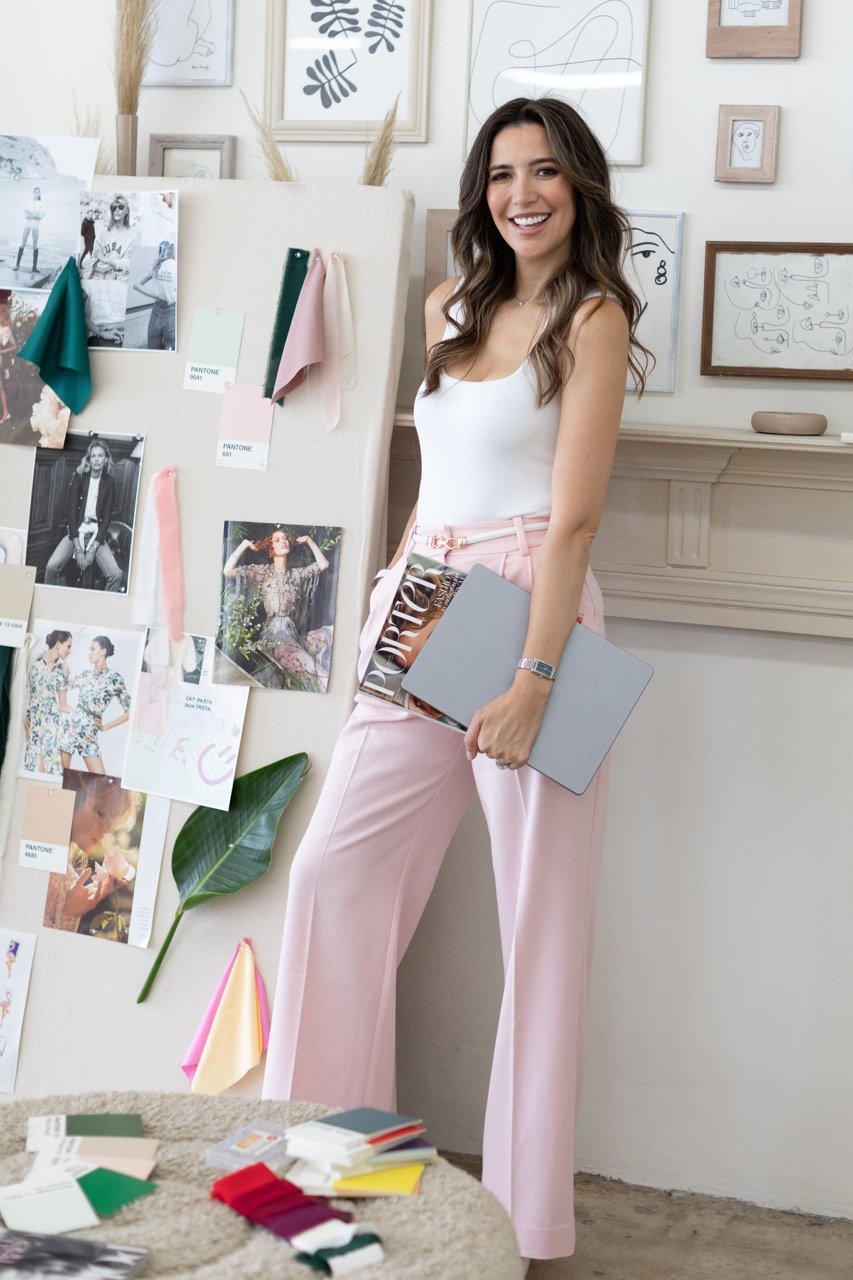
Hi, I'm Natalia, apparel strategist and founder of The Lines by Natalia. With 15+ years in manufacturing, product development, and brand strategy, I've helped founders prepare for production with confidence.
If you're unsure whether private label or cut and sew is best for your business, I can help you navigate the best option for your brand’s success.
The mistakes I see most
Going full cut and sew on the whole first collection. Ten custom styles means ten tech packs, ten rounds of sampling and ten sets of minimums. Start with two or three hero pieces and build out from there.
Picking private label and expecting it to feel custom. It won't on its own. Budget for great labels, packaging and photography. That's where a private label brand earns its identity.
Choosing based on the factory instead of the brand. A factory will steer you toward what it does best. Decide your path first, then find the factory that fits it. Here's how to find the right manufacturer once you know.
Skipping the tech pack on modified styles. Even small changes need to be documented. A tech pack is how you make sure "slightly longer" doesn't come back as four inches longer.
Key Takeaways
Private label means building on a manufacturer's existing styles with your branding and some customization. Cut and sew means designing from scratch.
Private label is faster and cheaper to start, with lower minimums. Cut and sew costs more upfront but gives you full control and a product nobody else can sell.
A modified existing style is a middle path that works for many first collections.
Choose based on your budget, how central the product is to your brand, and how fast you need real customer data.
Start cut and sew with two or three hero pieces, not a full collection.
Frequently Asked Questions
-
Private label starts from a product the manufacturer already makes, which you customize and brand as your own. Cut and sew starts from your own design, built from your patterns and tech pack.
-
Yes, to start. You skip most pattern and sampling costs, and minimums are usually lower. At higher volumes, cut and sew can deliver better margins because you control the cost of every component.
-
They're often used interchangeably in apparel. Strictly speaking, white label is a finished product you rebrand as is, while private label usually includes some customization, like color, fabric or trims.
-
Yes, and it's a smart path for many brands. Private label helps you learn what sells and build revenue. Once you know your best sellers, you can develop custom versions with cut and sew.
-
Private label minimums often run 50 to 300 units per style. Cut and sew minimums are usually higher, often 300 to 1,000 or more per style overseas, with lower minimums domestically at a higher cost per unit.
-
Private label can have product in hand in about 4 to 10 weeks. A first cut and sew run usually takes 6 to 12 months from concept to delivery, including design, sampling and production.
-
For products sold exactly as the factory makes them, usually not. For any modification, even a small one, yes. The tech pack documents your changes so the factory gets them right.
Not sure which path fits your brand?
This is one of the first things I work through with every founder, because getting it right shapes everything after it: your budget, your timeline and your margins.
Book a free 15-minute call and we'll look at your idea, your budget and which path actually makes sense for where you are right now.
About Natalia Hodgson
Apparel Manufacturing Consultant with 15+ years of experience in product development, sourcing, manufacturing, merchandising, and retail growth. Natalia founded The Lines by Natalia to help emerging clothing brands navigate manufacturing and bring their products to market with confidence.