How Long Does It Take to Manufacture Clothing? Complete Timeline Breakdown.
You have that ideal launch date in your head. Maybe it is tied to a pop up, a wholesale order, a season, or just the date you promised yourself you would finally launch your brand. And no of your manufacturing partners seem willing to give you a straight answer about when it will actually happen.
You have heard "12 weeks" from one factory and "6 months" from another, and you have no idea which number to trust, or what is even supposed to happen in between. That uncertainty is one of the hardest parts of the apparel manufacturing process. You are trying to build a business around a timeline that is rare to trust to someone will commit to.
Here's the thing: there is no single number that applies to every brand. But there is a real, predictable set of phases that every clothing order moves through, and once you understand them, you can build a launch date you actually stand behind.
QUICK ANSWER
Most apparel, if being manufactured overseas, takes three to six months from a finalized tech pack to finished goods, depending on your order size, fabric sourcing. Add design and sampling time before that, and a full timeline from initial concept to delivery for a first production run usually runs six to twelve months.
Apparel Manufacturing Timeline
and why there isn’t a single answer for all
Every quote a factory gives you is really a promise built on several moving parts at once: how complex your design is, whether your fabric is in stock or needs to be woven or dyed to order, how full the factory's production calendar already is, and whether this is your first order with them or your fifth.
Domestic and overseas production also run on completely different clocks, which is a big part of why two factories can give you wildly different numbers for what sounds like the same order.
I've seen this firsthand: brands assume the factory's quoted timeline starts the day they sign the contract. In reality, it usually starts once fabric is in hand and your sample has been approved, and that gap is exactly where most launch dates get pushed back.
The Manufacturing Timeline, Phase by Phase
Once you break it into phases, the timeline stops feeling like a mystery and starts feeling like something you can actually plan around. See below:
1. Design and Tech Pack: 2 to 4 weeks
This is where your design gets translated into a what I like to call the garment bible. Its simply a document that a factory can actually produce from, with measurements, materials, and construction details spelled out. I always recommend a tech pack designer for this step. For simpler projects you can download my template, here. A clear tech pack shortens every phase that follows it. A vague one adds weeks of back and forth later. More info on tech backs in my “What Is A Tech Pack,” post.
2. Fabric and Trim Sourcing: 2 to 8 weeks
The fabric sourcing is one of the most important parts of your apparel project. You want it to be great quality, price and really match the aesthetic that you had in mind. This can be easily found or it may take a couple of rounds. After it’s source if it’s a fabric that has to be customized, woven, dyed, or imported, plan for the longer end of this range, and sometimes beyond it.
3. Sampling: 3 to 8 weeks
During the sampling round, you are sampling every step a few times until it’s perfect. This covers your proto sample, fit sample, and pre-production sample, often across more than one round. Sampling is the phase most brands underestimate, and it is worth understanding in detail before you get here.
4. Bulk Production: 4 to 12 weeks
After your samples are approved you enter your bulk production. Here is where the Cutting, sewing, and finishing your item happens. They are also tagging, bagging it and preparing it to ship to you. This timeline always varies and it’s contigent on whatever queue exists ahead of you on the factory floor. Larger orders and more complex construction both push this number up.
5. Quality Control and Shipping: 1 to 6 weeks
This all depends on where your production is happening. For QC some factories have them in house or there are third party providers that are available. Domestic shipping is usually fast. Overseas freight is where an otherwise on time order can quietly lose weeks, especially if you are relying on ocean freight instead of air.

Need help turning your design into something a factory can actually produce?
Hi, I'm Natalia, apparel strategist and founder of The Lines by Natalia. With 15+ years in manufacturing, product development, and brand strategy, I've helped founders prepare for production with confidence.
If you're unsure whether your tech pack has everything a factory needs—or you're starting from scratch—I can help you create a clear roadmap before production begins, so you avoid costly mistakes and move forward with confidence.
Why Apparel Manufacturing Timelines Slip?
I've seen this firsthand more times than I can count: the first sample almost never gets approved on the first try. Fit needs correcting, a fabric substitution comes back different than expected, or a factory goes quiet for a stretch because they are hesitant to admit a problem before they have solved it, also a lot of the overseas factories have different holidays than we do. Order size matters too. A small first run can sometimes move faster because it is easier to slot into a factory's existing schedule, while a larger order might need its own production window.
COMMON MISTAKE
Booking a launch date, ad spend, or a pop up before your pre production sample is approved. That approval is the real starting line for bulk production, not the day you signed with the factory.
Domestic vs Overseas: The Real Time Difference
Domestic production tends to move faster because fabric sourcing and shipping are shorter, and communication happens closer to real time. Overseas production can offer more capacity and sometimes better pricing at scale, but you are trading speed for those advantages, especially once ocean freight is part of the equation.
There is no universally right answer here. It comes down to your order size, your budget, and how much runway you have before your launch date.
Can You Rush Production?
I've seen this firsthand as well: rushing is possible, but it is rarely free and rarely without trade offs. Factories can sometimes compress a timeline by prioritizing your order over others in their queue, usually for a rush fee. What you cannot rush safely is sampling. Skipping a fit correction to save two weeks tends to cost you far more once you are holding a box of product that does not fit right.
DON'T HAVE ONE YET?
If you have not finalized your tech pack, that phase has not even started yet. Get the full picture of what a tech pack includes and why it protects your timeline before you approach a factory here.
How to Build a Realistic Launch Timeline
Work backward from your actual launch date, not forward from the day you hope to place your order. Add a four to six week buffer on top of whatever timeline your factory quotes you. Get sample deadlines in writing, and follow up rather than waiting to be told something has changed.
This is exactly where working with someone who has sat on the factory side of these conversations changes the outcome. Getting support with factory selection and sample review from the start of the process is often the difference between a launch date you hit and one you quietly push back three times.
Key Takeaways
Most clothing orders take 3 to 6 months from a finalized tech pack to finished goods, and 6 to 12 months from initial concept to delivery.
Sampling is the phase most likely to add unplanned time. Budget for more than one round.
Domestic production typically totals 3 to 5 months, while overseas production runs 5 to 9 months once sourcing and freight are included.
A factory's quoted timeline usually starts once fabric is in hand and your sample is approved, not the day you sign.
Building a 4 to 6 week buffer into your launch date protects you from the most common delays.
Keep Reading
How to Manufacture Clothing: The Complete Beginner's Guide (2026)
What Happens During Clothing Sampling? Step-by-Step Guide
How Many Units Do Clothing Manufacturers Require? Understanding MOQ
Domestic vs Overseas Manufacturing: Pros and Cons
Frequently Asked Questions
-
For a first production run, plan on 6 to 12 months from initial concept through delivery of finished goods. That includes design, tech pack development, sourcing, sampling, bulk production, and shipping. Subsequent orders with an established factory typically move faster.
-
Apparel Sampling usually takes 3 to 8 weeks, depending on how many rounds are needed to approve fit and construction. Overseas sampling tends to run longer because samples have to be shipped back and forth for review.
-
Yes, in most cases. Domestic production typically totals 3 to 5 months from tech pack to finished goods, while overseas production runs 5 to 9 months once fabric sourcing and freight time are factored in.
-
Small batch orders can sometimes move faster because they fit more easily into a factory's existing production schedule. Even so, sampling and QC take roughly the same amount of time regardless of order size, so plan for 3 to 5 months as a baseline.
-
Sometimes, usually for a rush fee that prioritizes your order over others in the factory's queue. Sampling is not something you should try to rush, since skipping fit corrections to save time usually costs more once the full order is finished.
-
The most common reasons are delayed fabric arrival, multiple sample revisions, and the factory's own production queue filling up while your sample was still in review. A quoted timeline is an estimate, not a guarantee, which is why a buffer matters.
-
Once fabric is sourced and your sample is approved, bulk production in China typically takes 6 to 12 weeks depending on order size and complexity, plus 3 to 6 weeks for ocean freight or 1 to 2 weeks for air freight. Sourcing and sampling before that can add another 2 to 3 months.
-
Yes. Larger orders take longer to cut, sew, and finish, and may need their own dedicated production window rather than fitting into a factory's existing schedule. Smaller orders can sometimes move faster but are still subject to the same sampling and shipping timelines.
-
In practice, the clock really starts once your fabric has arrived and your pre-production sample has been approved, not the day you sign an agreement with a factory. Treating the signing date as day one is one of the most common reasons launch dates slip.
-
A 4 to 6 week buffer on top of your factory's quoted timeline is a reasonable starting point for most first production runs. If you are sourcing overseas or working with a new factory for the first time, consider building in even more.
Ready for your Apparel Manufacturing
Timeline You Can Actually Trust?
Book a free 15 minute discovery call here
& get a realistic production plan built around your brand.
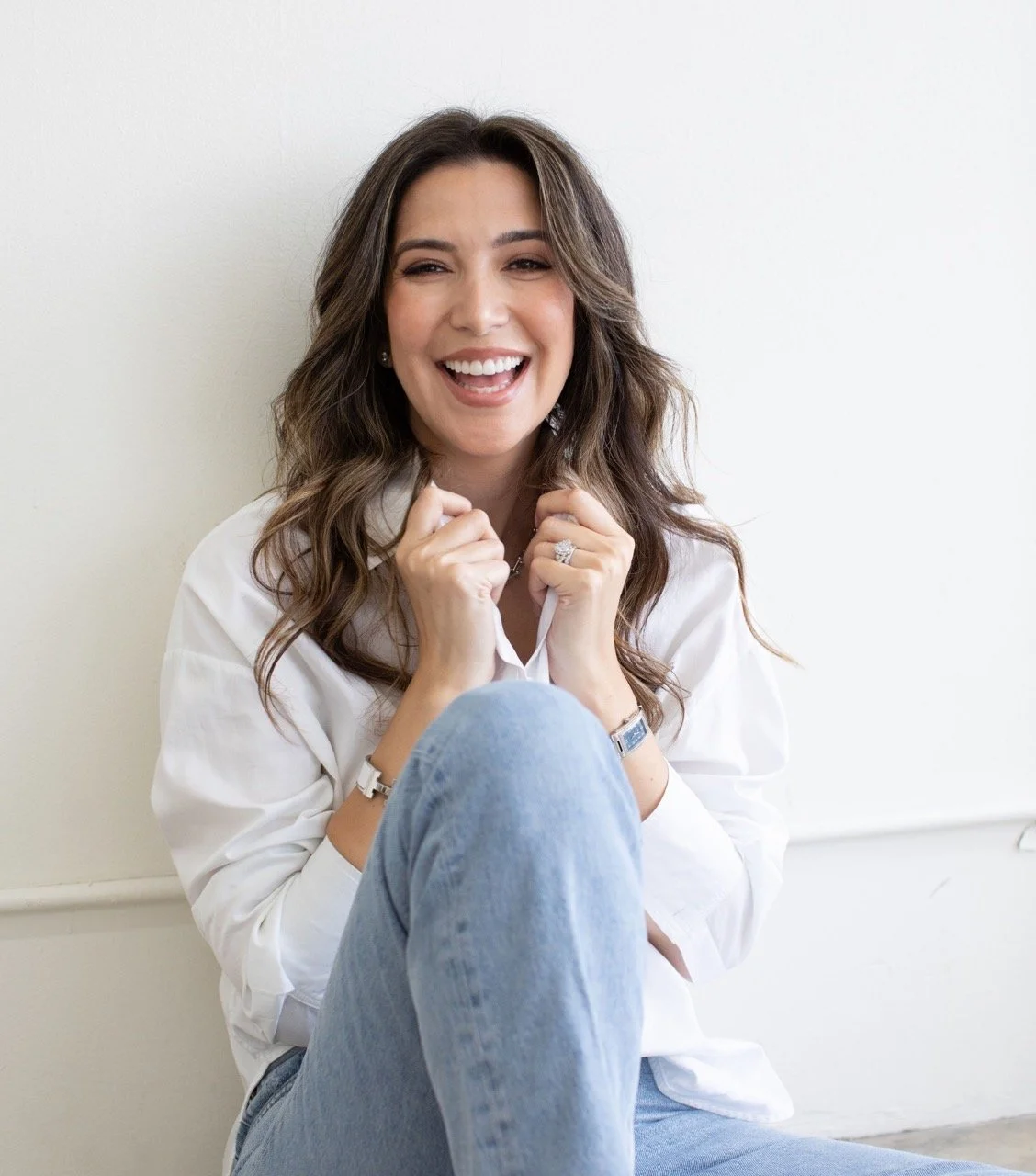
About Natalia V. Hodgson
Apparel Manufacturing Consultant with 15+ years of experience in product development, sourcing, manufacturing, merchandising, and retail growth. Natalia founded The Lines by Natalia to help emerging clothing brands navigate manufacturing and bring their products to market with confidence.