You finally found a factory that makes exactly what you want. You send your tech pack. They send back a quote. And there it is at the bottom of the page.
MOQ: 500 pieces per style, per color.
So you do the math. Three styles. Two colors each. That's 3,000 pieces before you've sold a single one.
This is the moment a lot of founders quietly close the laptop. I've watched it happen for almost twenty years. And almost every time, the real problem wasn't the minimum. It was not knowing how minimums actually work.
Let's fix that.
What does MOQ mean in clothing manufacturing?
MOQ stands for minimum order quantity. It's the smallest number of units a factory will produce for you in one production run.
In apparel, that number is usually counted per style and per color. That second part is the one that catches people. A factory with a 300-piece minimum isn't asking for 300 pieces total. Launch one top in three colors and you may be on the hook for 900.
Always ask how the minimum is counted. It changes everything about your budget.
Why factories have minimums (it's not personal)
It's easy to read a high MOQ as a factory telling you you're too small. It's really just math.
Every production run comes with costs that don't change based on how many pieces you order. Someone has to make the pattern and grade it into sizes. Someone lays out the marker, sets up the cutting table, and walks the sewing line through a garment they've never made before. That work costs the same whether the factory sews 50 tops or 5,000. Spread across 5,000 units, it's pennies. Spread across 50, it's real money.
Then there's fabric, which is often the biggest driver of all. Mills have their own minimums, usually set per color and per dye lot. Your factory can't buy 80 yards of a custom color when the mill won't dye fewer than 1,000. So the fabric minimum quietly becomes your garment minimum.
Once you see the minimum as math instead of a rejection, you can start working with it.
The three numbers hiding inside one MOQ
When a factory quotes you a minimum, there are usually three layers behind it.
The style minimum. How many units of one design the factory needs to make the setup worth it.
The color minimum. How many units per colorway. This is where your order quietly doubles or triples.
The material and trim minimums. Fabric, custom prints, woven labels, hangtags, zippers in a custom color. Each of these suppliers has their own minimum, and they don't care what your factory agreed to.
A quote that looks doable on the style level can fall apart once you add custom labels and a printed fabric. Ask about all three before you fall in love with a number.
What's a typical MOQ for clothing?
There's no single answer, because it depends on the factory, the product, and how custom your materials are. But here's the general landscape.
Large overseas factories that supply big retailers often start at 1,000 units per style and go well past that. On the mass market side, where I spend a lot of my time, orders run into the thousands per style. That's a completely different game than your first drop.
Mid-size factories doing basic cut-and-sew commonly land somewhere around 300 to 800 units per style.
Small-batch and domestic workrooms are where most new brands start. Minimums there often fall between 50 and 300 units per style, sometimes lower for simple pieces.
Treat these as ranges, not rules. I've seen factories with a "firm" 500-piece minimum agree to 200 because the founder asked the right questions. More on that below.
The trade-off nobody tells you about
Lower minimums come with a higher cost per unit. Every time.
Remember those fixed setup costs? With a smaller order, each piece carries more of them. So the factory that takes 100 units will almost always charge more per piece than the one asking for 1,000. (I break down where those costs come from in How Much Does It Cost to Manufacture Clothing?
Here's where founders get it wrong. They compare the unit price and pick the big order because the margin looks better on paper.
Look at the total instead. Say one factory quotes $12 a unit at 1,000 pieces. That's $12,000 out the door. Another quotes $22 a unit at 150 pieces. That's $3,300. Your margin per piece is thinner on the small run, but you're risking about a quarter of the cash, and you get to learn what actually sells before you place a bigger order.
Cash, not margin, is what kills most first collections. A great margin on 850 unsold tops in your garage isn't a margin. It's inventory.
6 ways to launch when you can't meet big minimums
Cut your collection down
Every style you add multiplies your minimum. Most first collections are too big. Edit hard. Three styles you're proud of will do more for your brand than eight you had to stretch your budget to make. You can always add more once you know what your customer buys.
Launch each style in one color
Colorways are the fastest way to double your order without noticing. Pick the one color that best tells your brand story for each style and save the rest for your second run. Before you commit, ask whether the factory will let you spread the minimum across sizes within that color. Most will, but confirm it in writing.
Use stock fabric instead of custom
Since fabric minimums often drive the whole MOQ, this one change can lower your minimum more than anything else. Stock fabrics are already made and sitting at the mill or supplier, so there's no dye lot minimum to meet. You give up a little uniqueness. You gain a first run you can actually afford.
Work with factories built for small runs
A factory set up for 10,000-unit orders isn't going to love your 150-unit order, even when they say yes. Small-batch workrooms are set up for exactly what you need, and they're usually more patient with first-time founders. I walk through where to find them and how to vet them in How to Find the Right Manufacturer for Your Small Apparel Brand
Ask better questions, then negotiate
Most founders hear the minimum and either accept it or walk away. There's a whole conversation in between.
Ask what's driving the minimum. Is it the fabric or the setup? Ask how the price changes at 150, 300, and 500 units. Ask whether they'll do a smaller first run at a higher price per piece. And be honest about where you are. Factories care about long-term partners. Telling them you're small now, with a plan to reorder, is often more persuasive than pretending to be bigger than you are.
Let your customers fund the first run
Pre-orders are one of the smartest tools a new brand has. You show the samples, take orders, and use that cash and that demand data to place your production order. You can also start with a small test run of your strongest style before committing to the full collection. Either way, you're producing against real demand instead of a guess. Just build the production timeline into your pre-order dates so you don't overpromise. Here's How long manufacturing really takes.
A few things not to do
Don't pick a factory just because they said yes to 25 pieces. A low minimum means nothing when the quality isn't there. Get a sample in your hands first.
Don't inflate your future volume to get a better deal. The industry is smaller than you think, and your factory relationship will matter for years.
And don't let the MOQ design your collection for you. Decide what your brand needs to say first, then find the production setup that fits it.
The bottom line
An MOQ isn't a wall. It's a starting point for a conversation. Once you understand what's behind the number, you can shape a first collection around what you can afford to own, not what a factory quoted you on day one.
Small is not a weakness here. Small is how you learn what sells without betting everything on it.
And you don't have to figure this out alone.
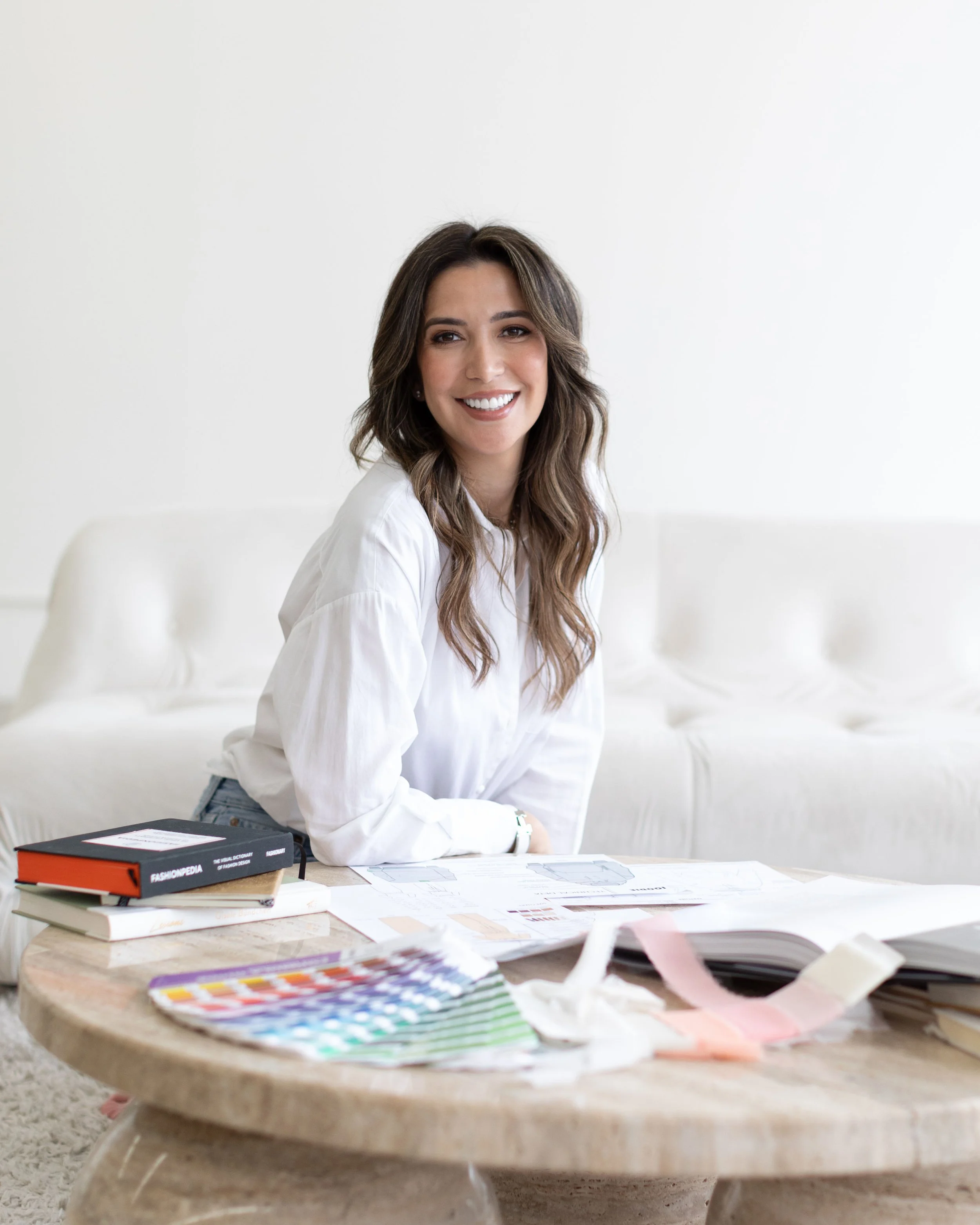
Not sure what your first production run should look like?
Book a free 20-minute discovery call. We'll look at your styles, your budget, and the minimums you're up against, and figure out a first order that won't drain your cash. Need the full plan? That's what Strategy Day is for.
Book your discovery call here!
Keep Reading
Frequently asked questions about MOQ
-
MOQ stands for minimum order quantity. It's the smallest number of units a clothing factory will produce in a single order, usually counted per style and per color.
-
Usually both. Most factories set a minimum per style and require it for each colorway, so one style in three colors can triple your order. Always ask how the factory counts it before you budget.
-
For a first production run, most new brands look for factories with minimums between 50 and 300 units per style. The right number is the one you can afford to buy and realistically sell without tying up all your cash.
-
Often, yes. Ask what drives the minimum, request pricing at different quantities, offer a reorder plan, or accept a higher price per unit for a smaller first run. Switching to stock fabric can also bring the minimum down.
-
The factory will either decline the order or charge a small-run surcharge to cover their setup costs. Some will agree to a one-time pilot run at a higher unit price.
-
In most cases, yes. Factories typically let you spread the minimum across your size run within one style and color. Confirm this in writing, because policies vary.
-
Setup costs like patterns, grading, cutting, and line setup stay the same no matter how many pieces you order. With fewer units, each piece carries a bigger share of those costs.
-
Not necessarily. Many small-batch factories do excellent work. Quality depends on the factory, not the minimum, so always review samples and ask for references before placing your order.
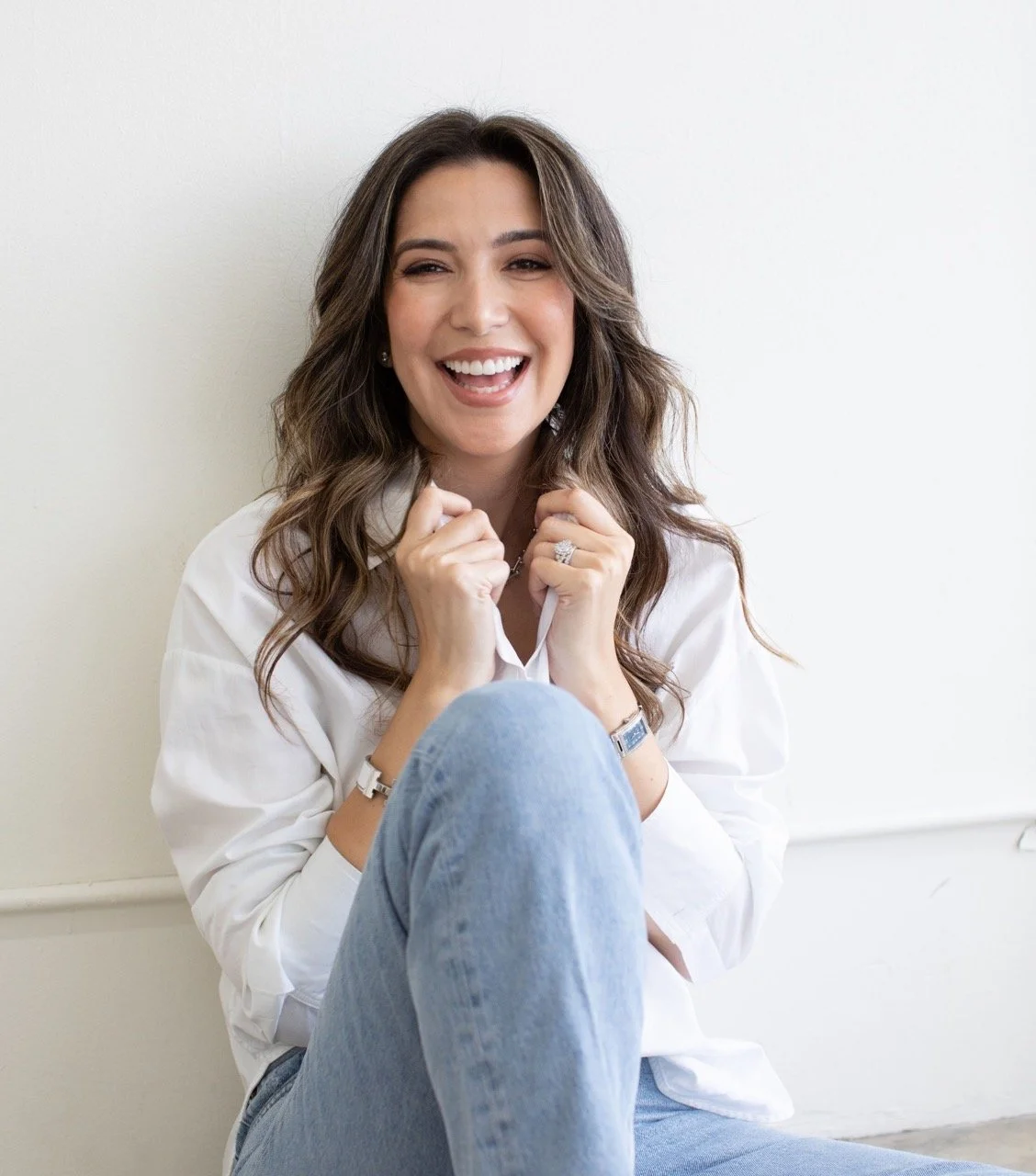
About the author:
Natalia Hodgson
Natalia is the founder of The Lines by Natalia, a boutique apparel consulting studio. She has nearly two decades of experience across creative direction, merchandising, sourcing, pricing, and retail strategy, and has worked with buyers at Ross, Burlington, DDs, Target, Nordstrom, and Walmart. Originally from Uruguay and now based in Manhattan Beach, California, she helps women founders launch, grow, and bring their brands into retail with the insider knowledge most people never get access to.