How to Manufacture Clothing: The Complete Beginner's Guide (2026)
Quick Answer:
Clothing manufacturing turns a design into a finished, retail-ready garment through seven core stages: concept development, tech pack creation, material sourcing, factory selection, sampling, bulk production, and quality control. Most first-time brands should budget 6-9 months and $15-$150+ per unit, depending on complexity and location.
So you have a clothing idea. Now how do we bring it to life?
Manufacturing is the part that turns a sketch into a sellable product, and for most new founders, it's also the most confusing. You're Googling things at 11pm, trying to figure out where to even start, wondering if you're missing something everyone else already knows.
It’s so important that you are armed with all of the information to make sure you are able to launch successfully.
I've spent 15+ years inside this process: working with designers, selling to mass market, sourcing & reviewing factories, building brands, and helping other founders do the same. Almost every client I've worked with had the same fear at the starting line. This guide breaks down every step of clothing manufacturing in plain language, so you can move from idea to production with a real plan.
Let's get into it.
What Is Clothing Manufacturing?
Clothing manufacturing is the full process of turning a design concept into a finished, retail ready garment. When most people say 'manufacturing,' they mean the entire product development and production pipeline, not just the sewing.
That pipeline includes:
Design and concept development
Tech pack creation
Material and fabric sourcing
Sampling and fit testing
Bulk production
Quality control and inspection
Packaging and fulfillment
Why this matters:
Understanding each stage helps you plan your budget, set realistic timelines, and avoid the most common, and most costly mistakes new brands make.
Step 1:
Develop Your Apparel Design Concept
Before anything goes to a factory, you need a clear vision of what you're making. Not a mood board. A real foundation. When I’m working with my founders I also make them get clear on the business side as well. What’s the point of having beautiful product that doesn’t sell?
That means getting clear on:
Silhouette and construction (cut, fit, structure)
Your target customer and how they'll actually wear it
Price point and target margins (this determines what you can spend on materials and production)
The quantities you're planning to order
A lot of first time founders skip this step and go straight to finding a manufacturer. That is one of the most expensive mistakes (financially and time) in apparel.
The founders who struggle most aren't the ones with small budgets. They're the ones who couldn't answer 'who is this for and what will they pay?' before reaching out to a factory. The more clarity you bring to your concept, the smoother every single step after it becomes.
Step 2:
Create YourApparel Tech Pack
A tech pack, short for technical package, is the blueprint of your garment. It's the document you send to a manufacturer that tells them exactly how to build your product.
A complete tech pack includes:
Technical flat sketches (front, back, and all detail views)
Measurements and size specs
Fabric type, weight, and composition
Hardware and trim details (zippers, buttons, labels, etc.)
Colorways and color codes
Construction notes and stitch types
Care label information
Without a tech pack, manufacturers have to guess. And guessing leads to samples that look nothing like what you had in your head. A solid tech pack protects you and the factory.
Don't have one yet?
A product development consultant can create your tech pack for you. This is especially helpful if you haven't worked in fashion before, you don’t have to figure this out alone.
Step 3:
Source Your Apparel Materials
Fabric and trim sourcing happens alongside your tech pack creation, sometimes before. The materials you choose affect everything: cost, quality, lead times, and whether a factory can even produce what you're imagining.
Common fabric sourcing options:
Domestic fabric mills: faster lead times, higher cost
Overseas fabric suppliers: especially China, South Korea, Portugal, and Turkey
Wholesale fabric marketplaces: LA Fashion District, Mood Fabrics, Textilebook
Direct sourcing through your manufacturer: they often have existing supplier relationships already
For trims: zippers, buttons, threads, labels, hangtags; you can source these separately or ask your manufacturer to include them in your production quote.
Step 4:
Find the Right Manufacturer
This is the step most brands spend the most time on. For good reason. Your manufacturer is your production partner. Choosing the wrong one costs time, money, and inventory problems you didn't see coming.
What to look for:
Experience with your specific product type (knitwear, woven, activewear, etc.)
MOQs that match your actual volume
Transparent pricing and clear payment terms
Responsive, clear communication
References or past client work you can actually review
Defined quality control processes
Where to find manufacturers:
USA: Maker's Row, ThomasNet, local cut-and-sew studios
Overseas: Alibaba, Global Sources, trade shows like MAGIC and Texworld
Referrals: the best manufacturers are often found through other brand founders
Whether you manufacture domestically or overseas depends on your volume, budget, and timeline. There's no universally right answer. A factory that's a perfect fit for one brand can be the wrong fit for yours, even at the same price point.
Always ask for two or three references and actually call them. The factories that hesitate on that? Usually the ones you want to avoid.
Not sure if your brand is ready for the next step?
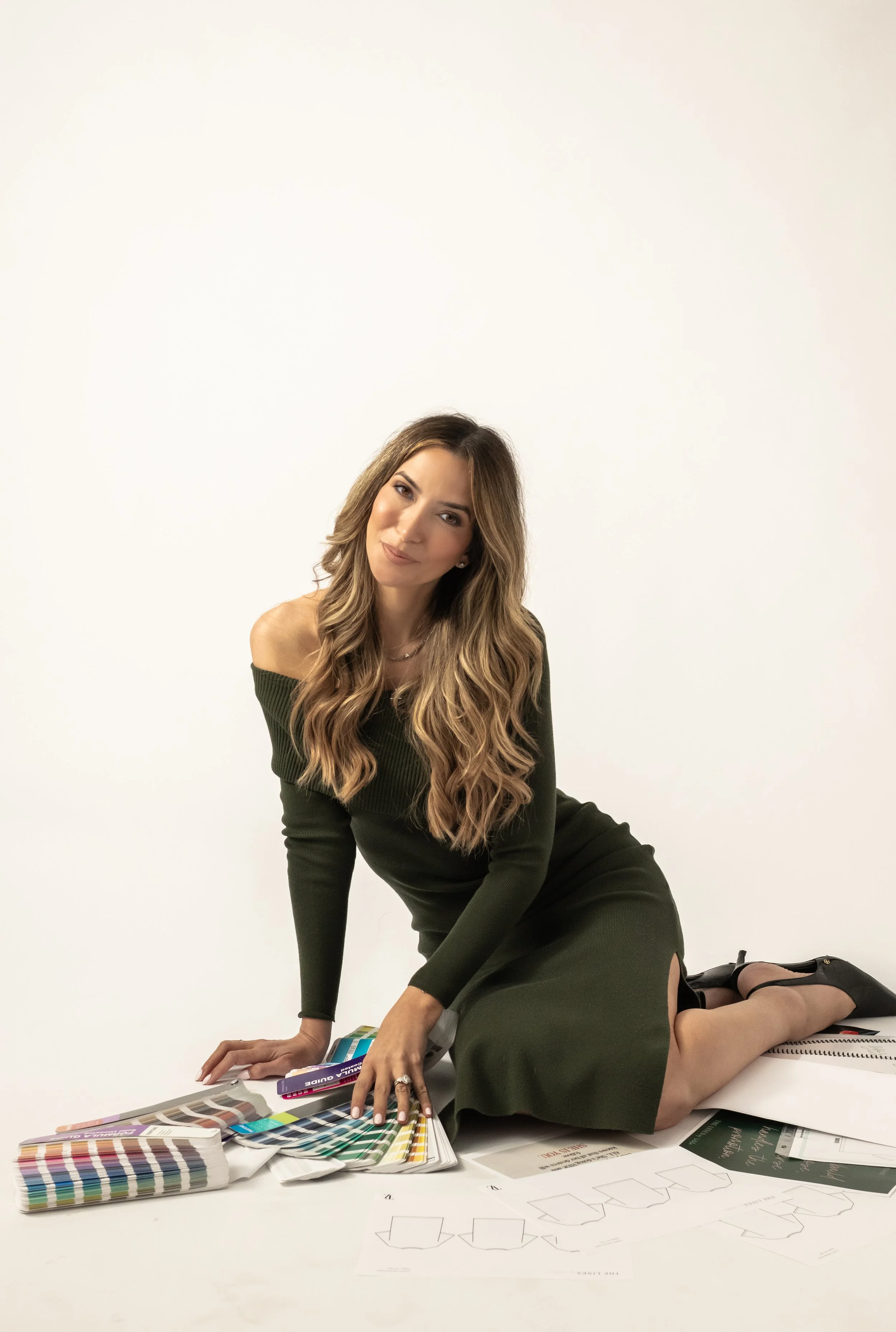
Hi, I'm Natalia, apparel strategist and founder of The Lines by Natalia. With 15+ years in manufacturing, product development, and brand strategy, I've worked with founders at exactly this stage. I know what's missing, and I know how to help you move forward.
If you're ready to stop guessing and start building with a real plan, let's talk.
Step 5:
Request Your Apparel Prototype Samples
Once you've selected a manufacturer and shared your tech pack, the next step is sampling. This is where the factory produces a prototype of your garment for your review.
Most production processes involve multiple sample rounds:
Proto sample: first version, often rough, to test construction
Fit sample: tested on a fit model for sizing accuracy
Sales sample: used for line sheets or trade shows
Pre-production (PP) sample: final approval before bulk production begins
Sampling is not free. Budget $50-$300+ per sample depending on complexity. And plan for multiple rounds, a first sample is almost never perfect.
The brands that scale fastest aren't the ones with the smoothest sampling process. They're the ones who treat the first sample as a starting point, not a failure. Two or three rounds is completely normal.
Common Mistake:
Skipping or rushing sampling to save money is one of the most expensive decisions a new brand can make. Problems caught in sampling cost a fraction of what they cost after bulk production.
Step 6:
Approve Production and Place Your Order
Once your pre-production sample is approved, you move into bulk production. At this stage, you'll typically:
Sign a purchase order (PO) and pay a deposit, usually 30-50%
Confirm your size breakdown
Agree on a production timeline and delivery date
Arrange for quality control inspection before shipment
Production lead times vary, typically 6 to 14 weeks overseas, and 2 to 6 weeks domestically. Always build buffer time into your planning. Things come up.
Step 7:
Quality Control and Delivery
Before your order ships, you need to inspect it. QC can be done several ways:
In-line inspection: checked during production while items are being made
Final inspection: finished goods checked before they leave the factory
Third-party QC companies: like QIMA or Bureau Veritas, if you're overseas and can't be on-site
Once your order clears inspection, it's packed, labeled, and shipped to your warehouse or fulfillment center.
Typical Clothing Manufacturing Timeline
Here's what a realistic first-production timeline looks like:
| Stage | Estimated Time | Notes |
|---|---|---|
| Tech Pack Creation | 1-3 weeks | Longer if starting from scratch |
| Material Sourcing | 2-4 weeks | Can overlap with tech pack stage |
| Factory Selection | 2-4 weeks | Research + outreach + vetting |
| Sampling | 4-8 weeks | Multiple rounds are normal |
| Bulk Production | 6-14 weeks | Varies by location and volume |
| Shipping & Customs | 1-6 weeks | Sea freight adds time vs. air |
| TOTAL (rough estimate) | 16-39 weeks | Plan 6-9 months for first run |
Key Takeaways:
Clothing manufacturing has seven core stages: design, tech pack, sourcing, factory selection, sampling, production, and quality control.
A tech pack is non-negotiable. It's the document that turns your idea into something a factory can actually build.
Budget 6-9 months and multiple sample rounds for your first run. Rushing either one is the most expensive mistake you can make.
MOQs differ widely: domestic factories may accept 24-50 units; overseas factories often require 100-500+.
There's no universally 'right' manufacturer. The right fit depends on your volume, budget, and product type.
Keep Reading:
Frequently Asked Questions
-
From tech pack to delivery, plan for 6 to 9 months on your first production run. That includes sampling, revisions, bulk production, and shipping. Experienced brands with established factory relationships can move faster. First-timers should plan for the longer end.
-
Costs vary based on complexity, materials, and location. A simple T-shirt made domestically might run $15-$30 per unit. A structured jacket with multiple components can reach $60-$150 or more. Budget for sampling, shipping, duties, and testing on top of your per-unit cost.
-
MOQ stands for Minimum Order Quantity. It is the minimum number of units a manufacturer requires per style or per colorway. Domestic manufacturers may accept as few as 24-50 units. Overseas factories often require 100-500+ per style. Always ask upfront. MOQ is the first filter for whether a factory is even a fit for your current volume.
-
Yes, or at minimum, something close to one. Without a tech pack, factories can't give you an accurate quote and samples won't come back the way you imagined. If you don't have one yet, a product development consultant can create it for you.
-
It depends on your volume, budget, and brand positioning. USA manufacturing offers shorter lead times, easier communication, and 'Made in USA' branding. Overseas manufacturing like China, Vietnam, Bangladesh, and Portugal typically offers lower per-unit costs but longer lead times and more logistics complexity. Many brands start overseas and bring some production domestic as they grow.
-
Private label means buying pre-made blank garments from a manufacturer and adding your branding: tags, labels, packaging. It's faster and lower cost than custom cut-and-sew but offers less differentiation. Cut-and-sew is when a factory builds your garment from scratch to your exact specifications. More control, but higher minimums and longer timelines.
-
Good manufacturers come through platforms like Maker's Row (USA) or Alibaba (overseas), industry trade shows, and word of mouth from other founders. Vetting matters more than finding. Once you have candidates, check references, request samples, and ask detailed questions before you commit.
-
QC is the process of inspecting garments during and after production to ensure they meet your specs like measurements, stitching, fabric quality, finishing. For overseas production, many brands hire third-party QC companies to inspect on their behalf before shipment.
-
A sample is a prototype. Usually one to five units, made to test construction, fit, and quality before committing to bulk. Production is the full order of finished goods. What you approve in sampling is what the factory replicates at scale. Never skip it.
-
Yes, and more founders do this than you'd think. What you need is a clear product vision, the right manufacturing partners, and someone in your corner who knows the process. You don't need a fashion degree. You need a plan.
Ready to Get Your Brand into Production?
Finding the right manufacturer is one of the most important decisions you'll make for your brand. With 15+ years in apparel manufacturing and sourcing, I help founders navigate the process and avoid the expensive mistakes.
About Natalia Hodgson
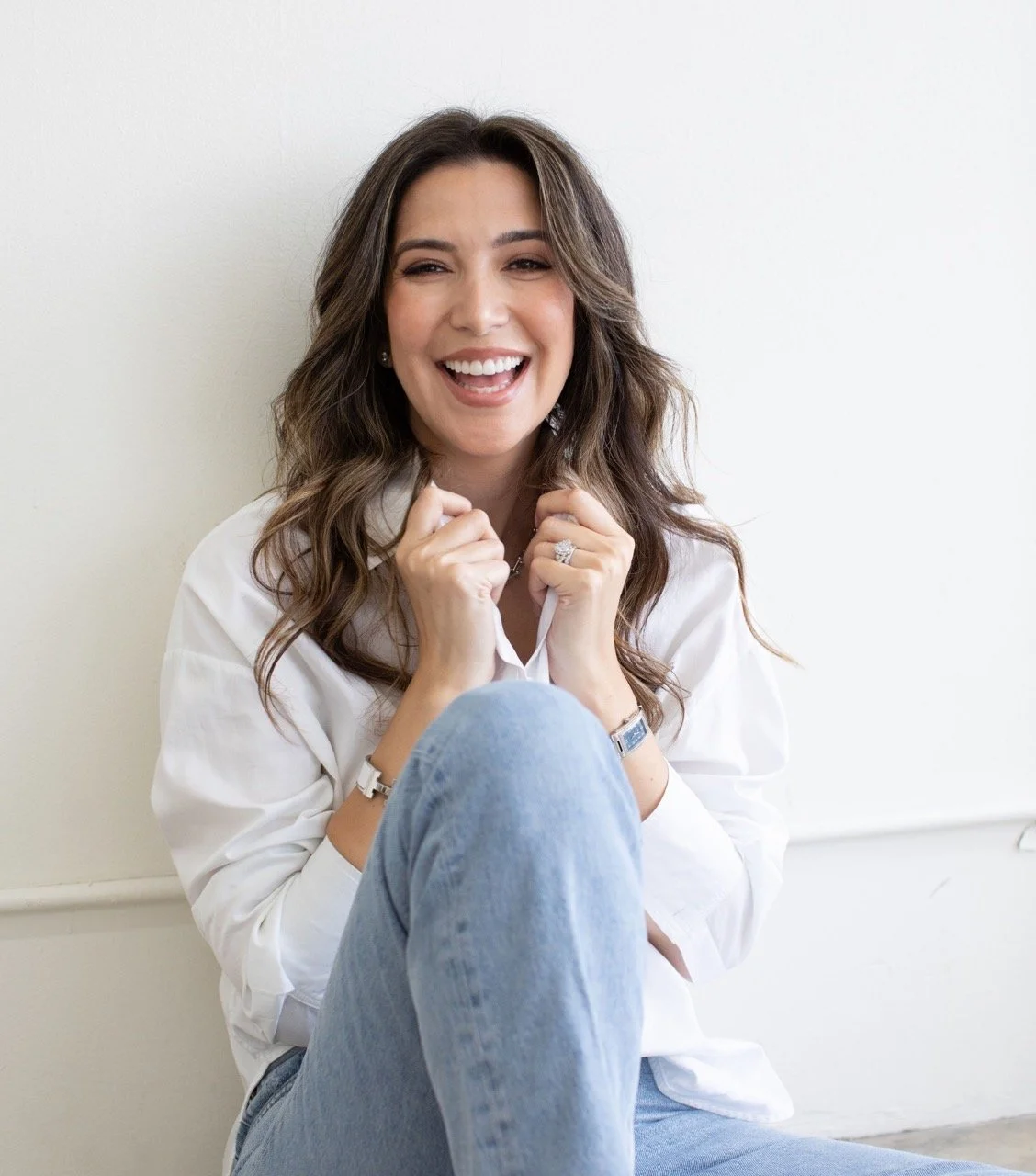
Apparel Manufacturing Consultant with 15+ years of experience in product development, sourcing, manufacturing, merchandising, and retail growth. Natalia founded The Lines by Natalia to help emerging clothing brands navigate manufacturing and bring their products to market with confidence.